
The Guide's Corner: Midwifing & Hospicing in the "Yes" Environment

Creating a genuine "Yes" environment is less about implementing a static set of classroom rules and more about cultivating a dynamic practice of observation, continuous adjustment, and deep responsiveness. For Montessori guides, holding space for authentic independence requires humility, intentionality, and the willingness to laugh at ourselves when a carefully planned routine turns into creative chaos.

1. The Mindset of the Teacher Leader: Observer vs. Enforcer
The teacher leader operates not as a rigid enforcer, but as an active, flexible scientist. When we shift from controlling behavior to observing human development, every struggle becomes insightful feedback rather than an infraction to penalize. When we step back from playing referee, every bump in the road highlights how a child is exploring their boundaries and self-regulation.
2. Preparing and Curating the Environment (AKA Constantly Tweaking)
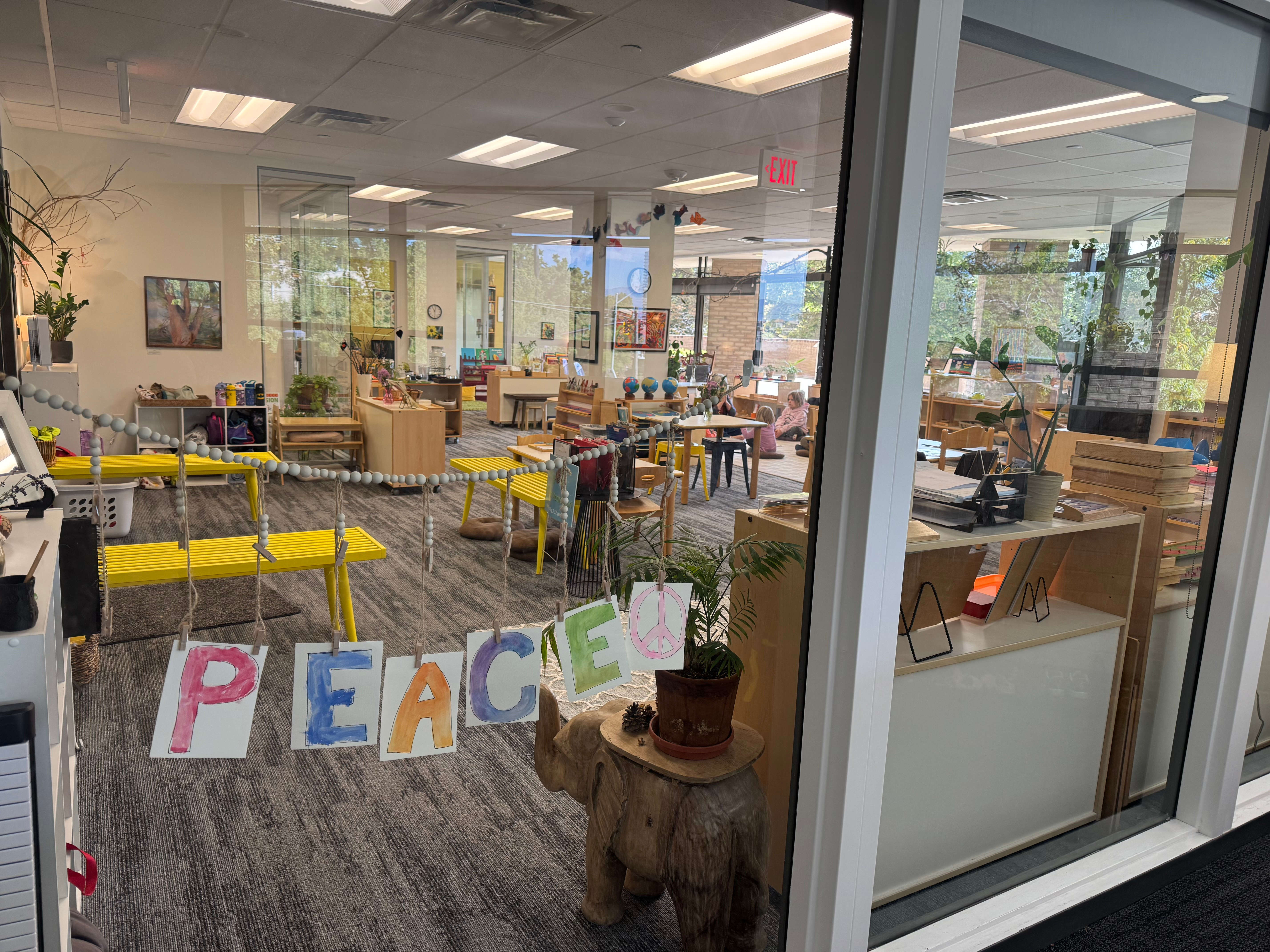
Preparation is a daily rhythm rather than a finished state. By observing where friction arises—where materials stall or focus breaks down—we reconfigure shelf layouts, pathways, and expectations. If children trip over a shelf or bottleneck at the water pitcher, the room is speaking to us. We curate physical spaces and psychological rhythms so that independence feels natural and inviting.
3. Midwifing What Works: Ushering in New Practices
Midwifing is the art of nurturing and bringing forth practices that serve the children's emerging needs. As guides observe new interests or social dynamics, they actively midwife supportive routines, values-based community agreements, and tailored extension work. This role requires patience and wisdom to shepherd blossoming independence into sustainable community harmony.
4. Hospicing What No Longer Serves: The Grace of Letting Go Old Habits
Just as crucial as starting new habits is giving obsolete ones a peaceful farewell. If a rule exists only because "we've always done it this way" or because it saves the adults five minutes of cleanup, it might be time for a respectful retirement. Releasing outdated constraints returns dignity and elbow room to everyone in the room.
5. Continuous Assessment & Reflection Questions for Guides
To maintain alignment with the values of a "Yes" environment, guides can ground their daily practice in reflective self-inquiry:
Safety or Convenience? Is this rule protecting a child's safety and peace, or is it just protecting my own neat freak tendencies?
Birth and Transition: What new support or routine wants to be born to give children more autonomy today?
Peaceful Closure: What's Ready for Retirement? Which legacy expectation can we gracefully set aside to make room for deeper growth?
Ready to Step Into the Montessori World?
Reading about a "Yes" environment is one thing—experiencing it
is a whole other story! Whether you are a parent, an educator, or a community member, we invite you to join us for our upcoming Micro Silent Journey on Nov 18, 2026. Spend a rare hour in mindful, silent observation of our prepared classrooms, followed by hands-on exploration of the materials that spark independence and critical thinking every day.


Comments